
-SUSHAVAN DAS
One of the greatest pervasive offenses in the pedagogy of our country is ragging. Ragging is a grievous act which involves seniors bullying and harassing juniors, often in the name of “breaking the ice” and fostering a sense of camaraderie. In every institution, it is usually the senior students who try to bully the new entrants by ragging, claiming that they are testing their physical and mental capacities, but in reality, it is nothing but perversion and sadism. For me being in the profession of criminology, there should not be anti used as a prefix in ragging. It’s not anti. It’s firmly needed to eradicate ragging from its grass-root level.
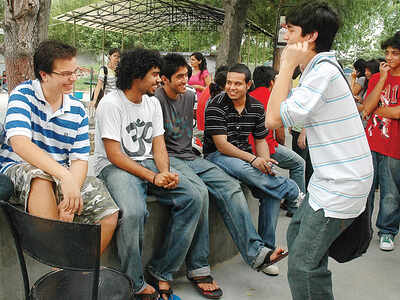
For instance, they compel the students to swallow mud, to stand bare bodies on cold nights outside the room, terrace, etc. Especially impeccable, but abysmal students are susceptible to such improprieties. These students are either leaving the institution or committing suicide. Such inhuman activities cannot bear within the 21st century. Consequently, many genius student’s lives are being shattered. Students staying in the hostels of specially engineering and medical colleges jointly become the victims of ragging. It can happen anywhere – in hostels, classrooms, or even on the streets. The victims of ragging are usually freshers who are new to the institution and are not familiar with the culture and norms of the place. The victim often becomes permanently injured or some even die.

Even today, students from the rural areas have a lingering fear when they go to cities for higher studies. To dispel such fears, colleges prominently display a banner saying their campus is free from ragging. But, in reality, ragging cannot be stopped unless we are emboldened from being a victim of such grievance. If offenders are found ragging, they are to be punished under IPC sec. 323, 1860 for voluntarily causing grievous hurt in which the convicted is punished with either rigorous imprisonment for 1 year which can extend up to 7 years or fine or both.

Ragging forms ice instead of breaking it, so relinquish ragging and work towards benevolence and solidarity. On the contrary, it becomes worse when the senior or an influential person tends to demoralize and defame the juniors through the means of verbal or physical abuse and harassment. Victims are also subjected to molestation or sexually exploited. However, the reality is that ragging does not achieve its intended purpose. Instead, it inflicts emotional and physical trauma on students, often leading to long-term consequences. They are vulnerable and often feel intimidated by their seniors, who hold a position of authority and power.

The impact of ragging on students can be devastating. It can lead to low self-esteem, depression, anxiety, and even suicide. Many students drop out of college or switch to another institution to escape the trauma of ragging. Even those who manage to endure it often carry the scars for life, affecting their mental health and well-being.

In conclusion, ragging is a practice that should be condemned and eradicated from educational institutions. It does not break the ice; instead, it breaks lives. We need to create a safe and inclusive environment for all students, where they can learn and grow without fear of harassment or intimidation. It is the responsibility of every individual – students, teachers, administrators, and society as a whole – to ensure that ragging is not endured and that students are treated with solemn respect and dignity. Higher educational institution’s authorities should deal with such nefarious activities with firm hand. Besides, civilized men must condemn this iniquitous practice, which has now been declared as an illegal and punishable offense.


